Mirza Kuchak Khan Jangali Rasht

Information
Description
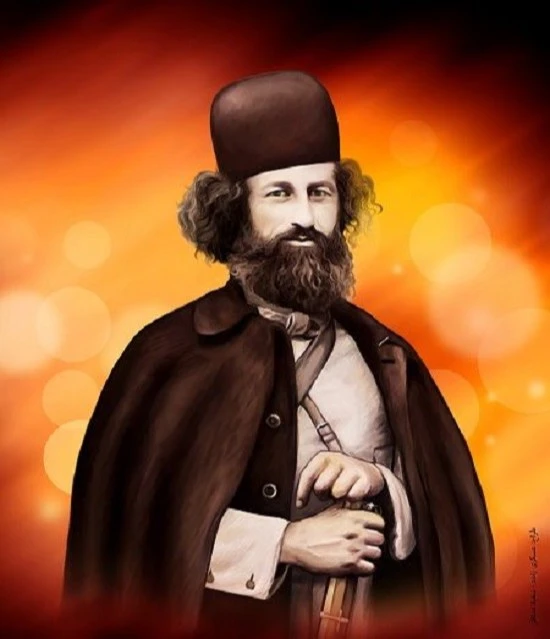
Mirza Kuchak Khan Jangali (1878 - December 2, 1921) was one of the revolutionary and militant figures of Iran in the late Qajar and early Pahlavi periods, known as the leader of the Jungle Movement. This movement was an anti-colonial and popular uprising in northern Iran (Gilan) that fought against internal despotism and foreign influence (especially Tsarist Russia, later the Soviet Union and Britain).
Biography and Political-Military Activities
1. Birth and Education
Full name: Younes Ostadsaraei, known as Mirza Kuchak Khan.
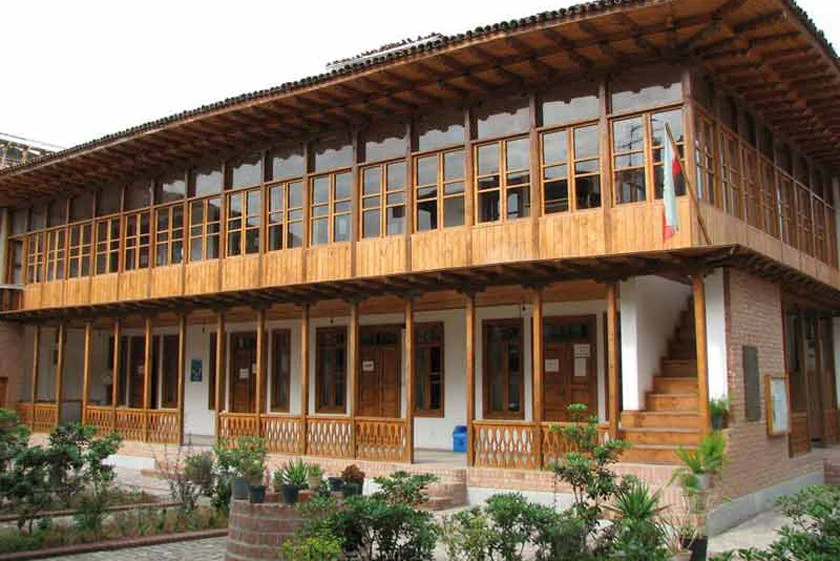
Born in 1878 in the Ostadsara neighborhood of Rasht.
He studied in religious schools in Rasht and Tehran and was active as a religious student.
2. Beginning of the Struggles
During the Constitutional Revolution (1906) he joined the constitutionalists.
After the defeat of the constitutionalists and the occupation of Iran by Russia and Britain, he turned to armed struggle.
3. Formation of the Jungle Movement (1915)
Mirza, along with a group of freedom seekers, established the Gilan Soviet Republic (known as the Jungle Government).
This movement was a combination of nationalists, progressive clerics, leftists, and peasants.
Main slogan: "Expel foreign forces, social justice, and Iran's independence".
4. Alliance and then Disagreement with Soviet Bolsheviks
Initially allied with Russian revolutionaries (Bolsheviks) because they also opposed colonialism.
Later, realizing the Soviet intention to control the Jungle Movement, he distanced himself from them.
5. Conflict with the Central Government (Reza Khan)
After the 1920 coup and Reza Khan's rise to power, the Jungle Movement was seen as a threat to the central government.
Government forces, supported by Britain, launched heavy attacks against the Jungle fighters.
6. Death of Mirza Kuchak Khan (December 2, 1921)
While retreating towards the Talesh mountains, he died in severe cold in the "Galash Khalkhal" area.
Some sources say his head was severed and sent to Tehran for Reza Khan.
Characteristics of the Jungle Movement
1. Anti-colonial: Opposed Russian and British influence in Iran.
2. Justice-seeking: Defended the rights of peasants and the oppressed people.
3. Combination of various ideologies: Nationalism, revolutionary Islam, and socialism.
4. Autonomous government of Gilan: For a time, it administered the affairs of Gilan.
Strengths and Weaknesses of the Jungle Movement
Strengths:
Popular support and broad backing in Gilan.
Resistance against foreign colonialism.
Efforts to establish an independent government in northern Iran.
Weaknesses:
Internal conflicts among members (between leftists and religious groups).
Limited dependence on the Soviet Union and later severing ties with them.
Lack of support from other regions of Iran for this movement.
Memorial of Mirza Kuchak Khan
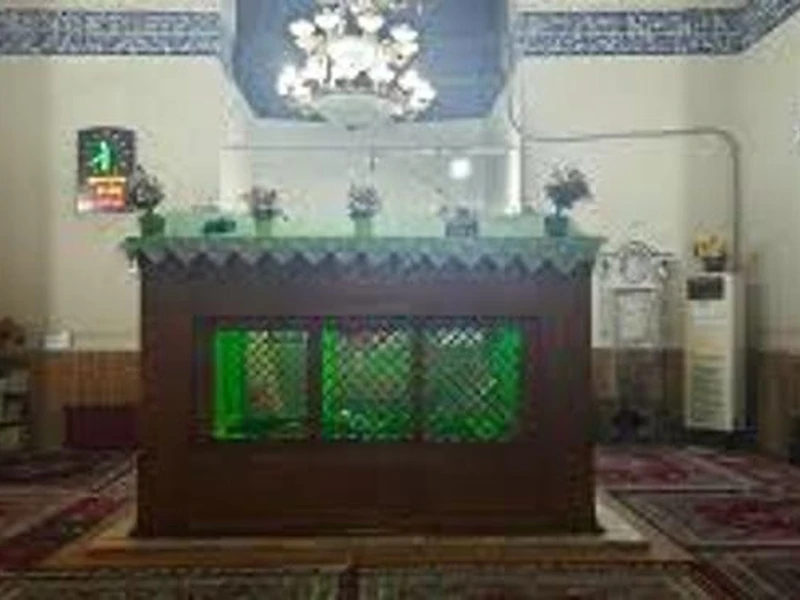
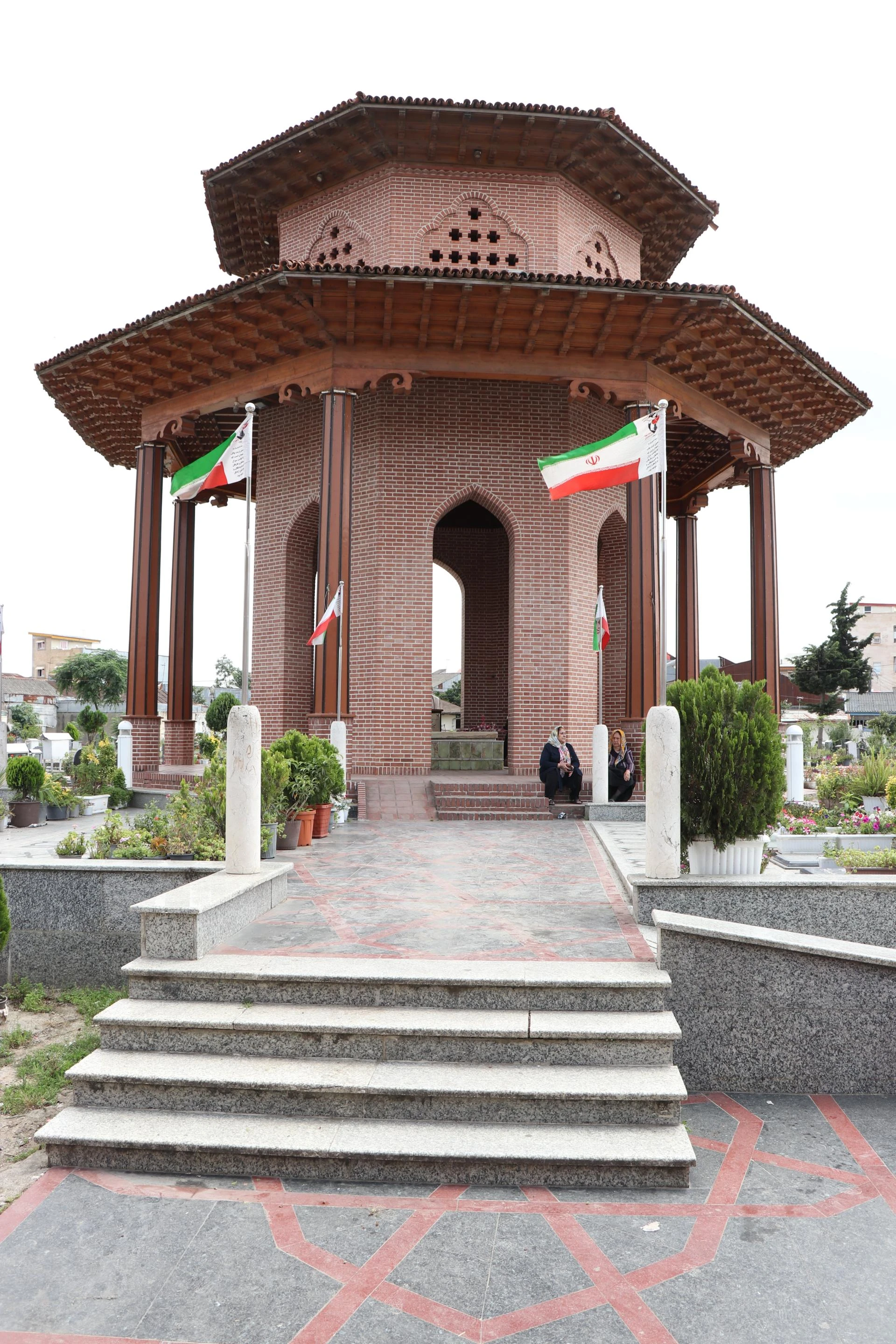
His tomb is located in Soleimandarab, Rasht and has become one of Iran's symbols of resistance.
Streets, universities, and many institutions in Iran are named after him.
He has been featured in Iranian literature and cinema (such as the film "Mirza Kuchak Khan" directed by Behrouz Afkhami).
Famous quotes of Mirza Kuchak Khan
"I fight this cold and snow, but I will not surrender to the enemies of Iran."
"Neither Russia, nor England, nor the Soviet Union, nor the Shah; I want an independent Iran."
Summary
Mirza Kuchak Khan is a symbol of anti-colonial resistance and justice-seeking in modern Iranian history. Although the Jungle Movement ultimately failed, Mirza remains a national hero in the memory of the Iranian people, especially those of Gilan.