Mausoleum of Avicenna Hamadan

Information
Description
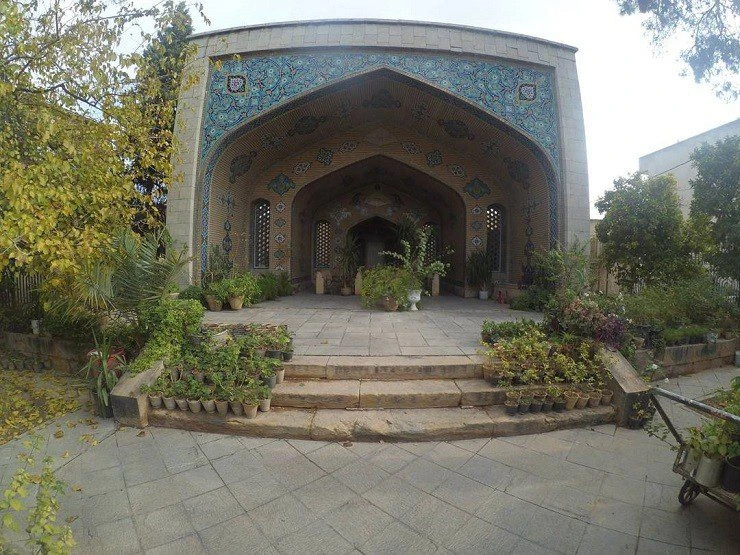
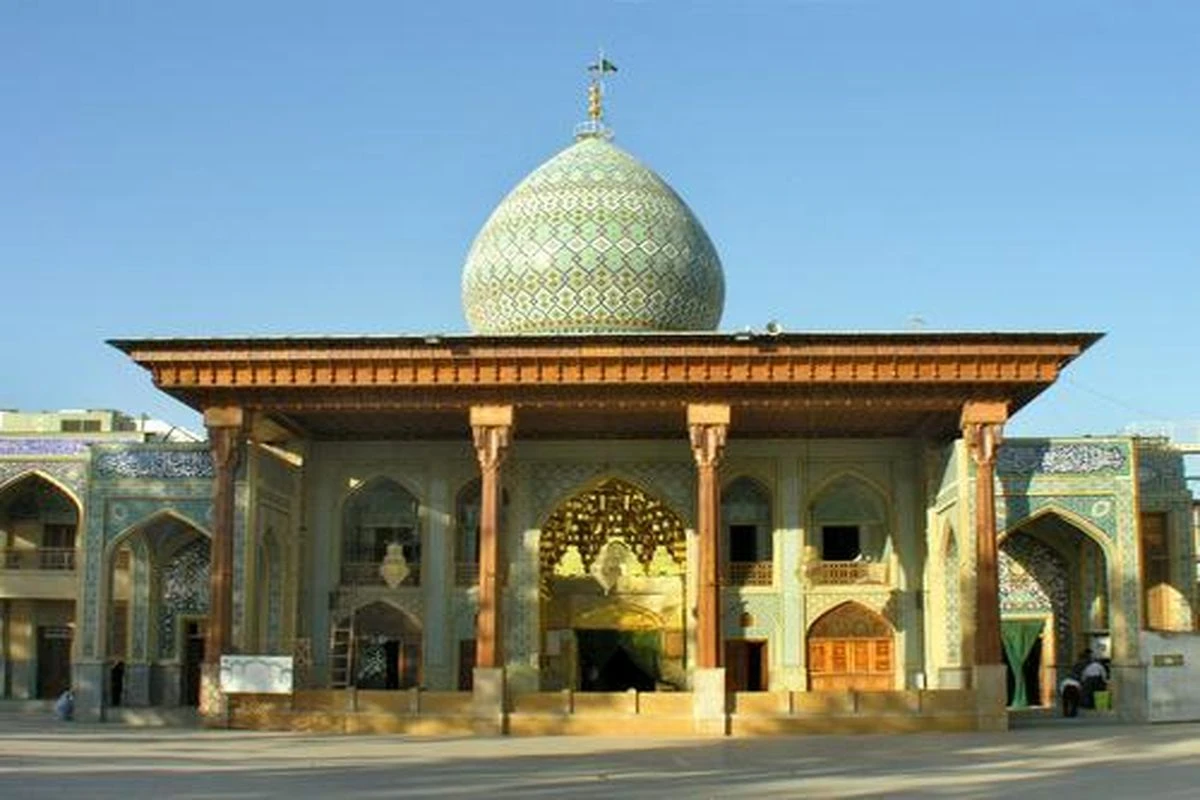
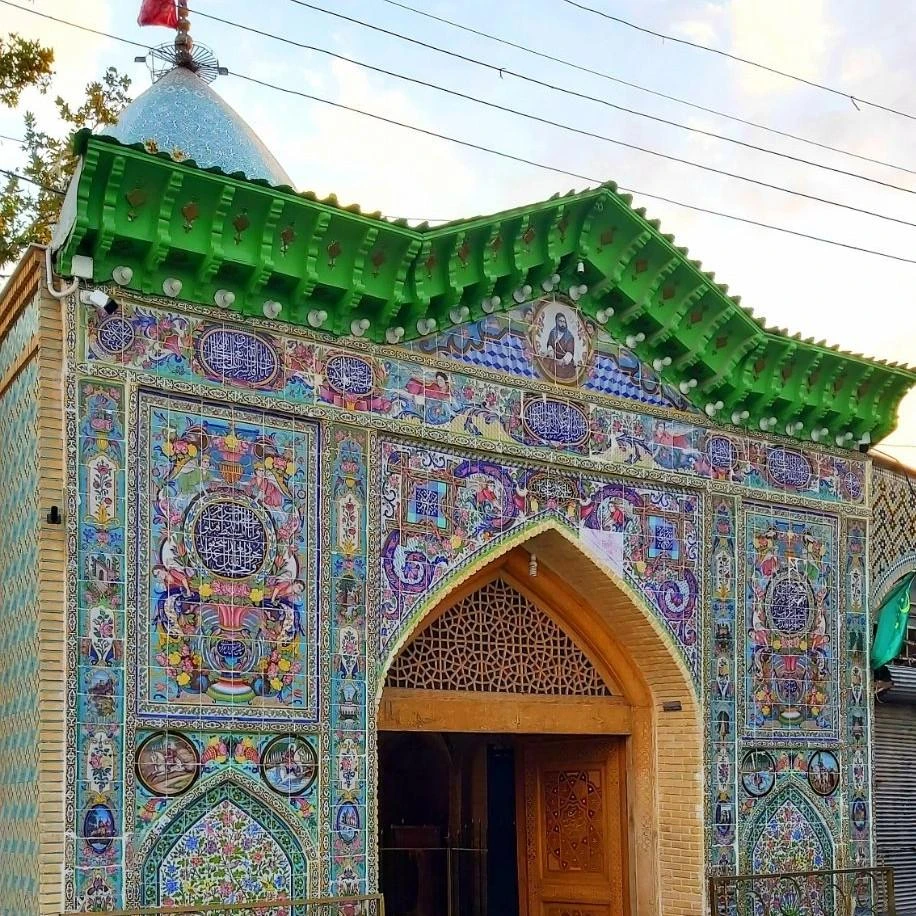
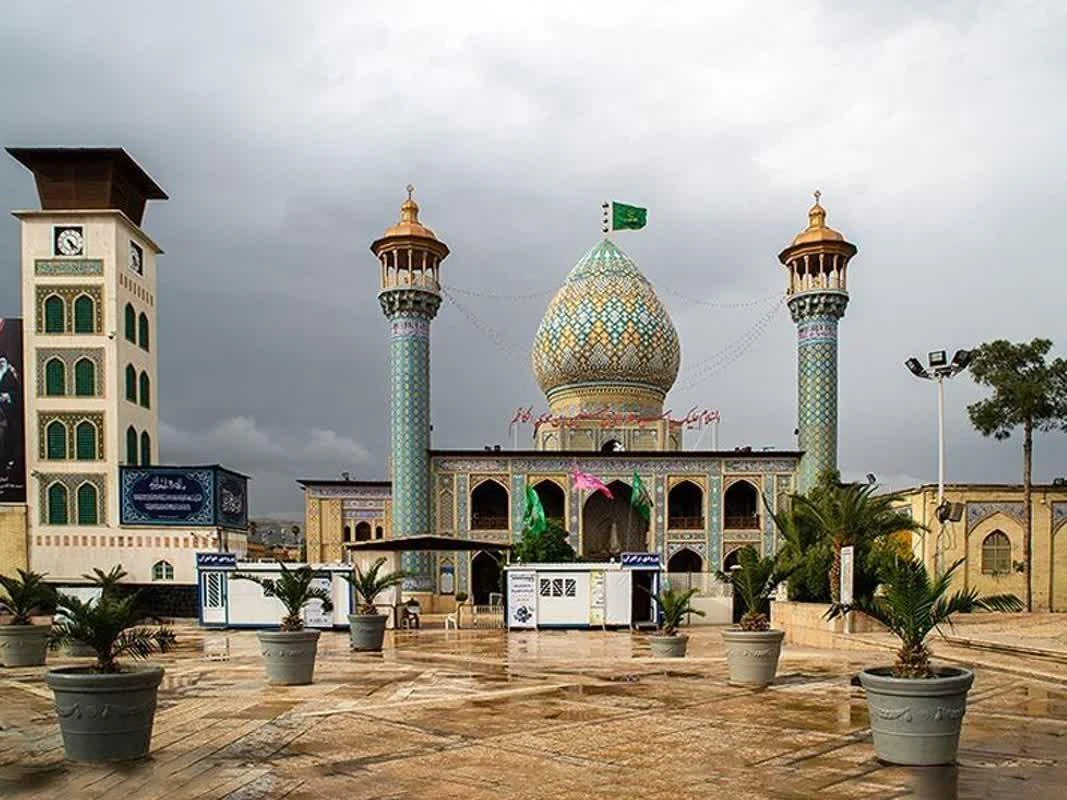
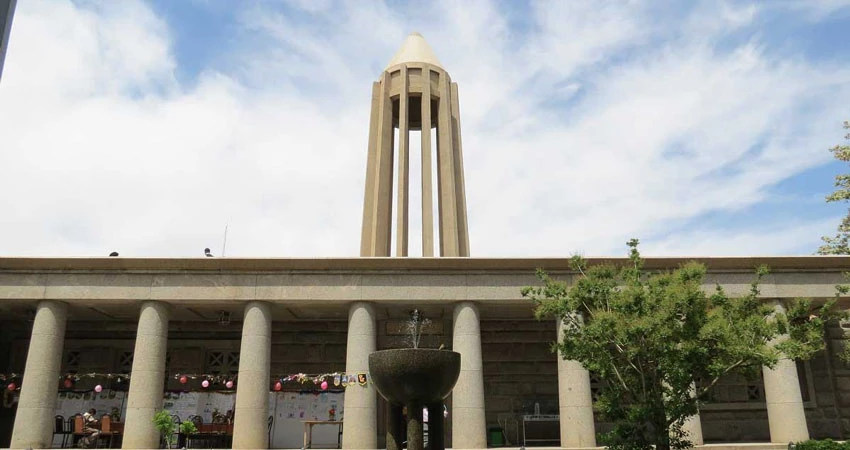
The Mausoleum of Avicenna is considered one of the tourist attractions of Hamadan, and its building dates back to the Qajar era. The design and plan of the building are in the architectural style of the period in which Avicenna lived, inspired by the oldest historical Islamic building, the Gonbad-e Qabus tower.
Two architectural styles, ancient Iran and post-Islamic Iran, have been combined in the design of this building. Currently, besides Avicenna's tomb, there is an active museum in the southern hall of the building.
This museum preserves coins, pottery, bronze, and other discovered objects related to millennia before Christ and the Islamic era. Also, in the northern hall, there are more than eight thousand valuable handwritten and printed Iranian and foreign books. It is interesting to know that the 10 columns of this building symbolize 10 centuries after Avicenna.