Darya Beygi Langerud House

Information
Description
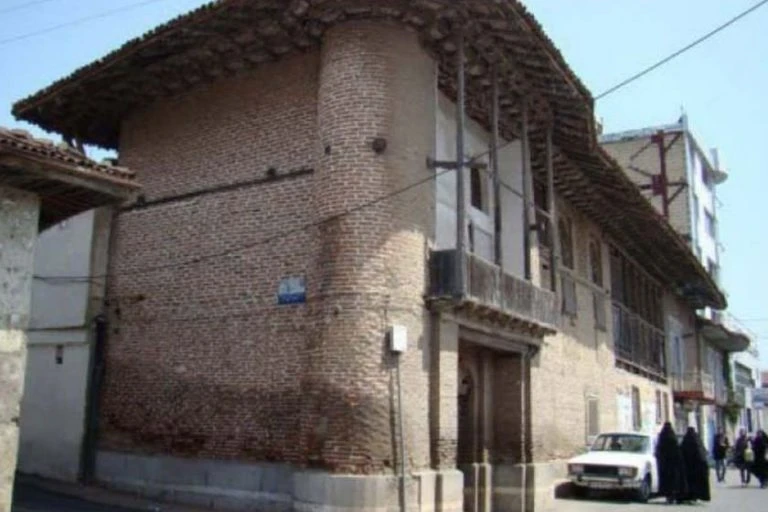
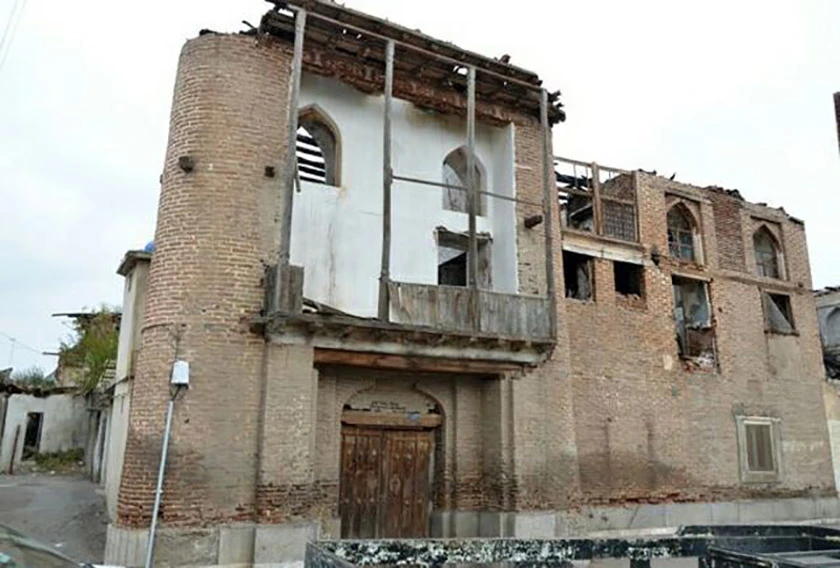
The Darya Beigi House was built during the Qajar era and it is said that this house belonged to one of the prominent families of Gilan. During the Qajar period, this house was also used as a headquarters and command base for the naval forces. This headquarters belonged to the naval commander, Ahmad Khan Darya Beigi. This historic house is one of the remaining relics from the past era and was listed as a national heritage site in 2011. Unfortunately, in recent years, proper cooperation and measures to protect and maintain this valuable historic house have not been implemented. This led to part of the house, which is over 200 years old, being damaged due to various factors, and part of it was also affected by a fire. Unfortunately, about 80% of it burned down due to its old wooden structure and was completely destroyed. Another unique section of this house, related to the Shahneshin (royal sitting area), was also unfortunately destroyed.
The building is made of clay, wood, and brick. At first glance at its exterior, you will see walls made of brick that are relatively tall. On each side of these walls, there are also parts shaped like towers. This house was built in two floors, and on the second floor, you can see very beautiful colorful wooden lattice windows, which are a sign of a special element of Iranian architecture. This type of architecture and house construction is usually called "Orsi Chobi," which refers to wooden windows and openings that are built to slide upwards instead of rotating on a hinge. At the entrance of this historic and old house, you can see two old wooden doors of relatively large size, decorated with floral nails and knockers, giving a traditional and artistic appearance to the facade of this house. After opening these doors, there is a corridor that continues, ending in a section shaped like an octagon.